
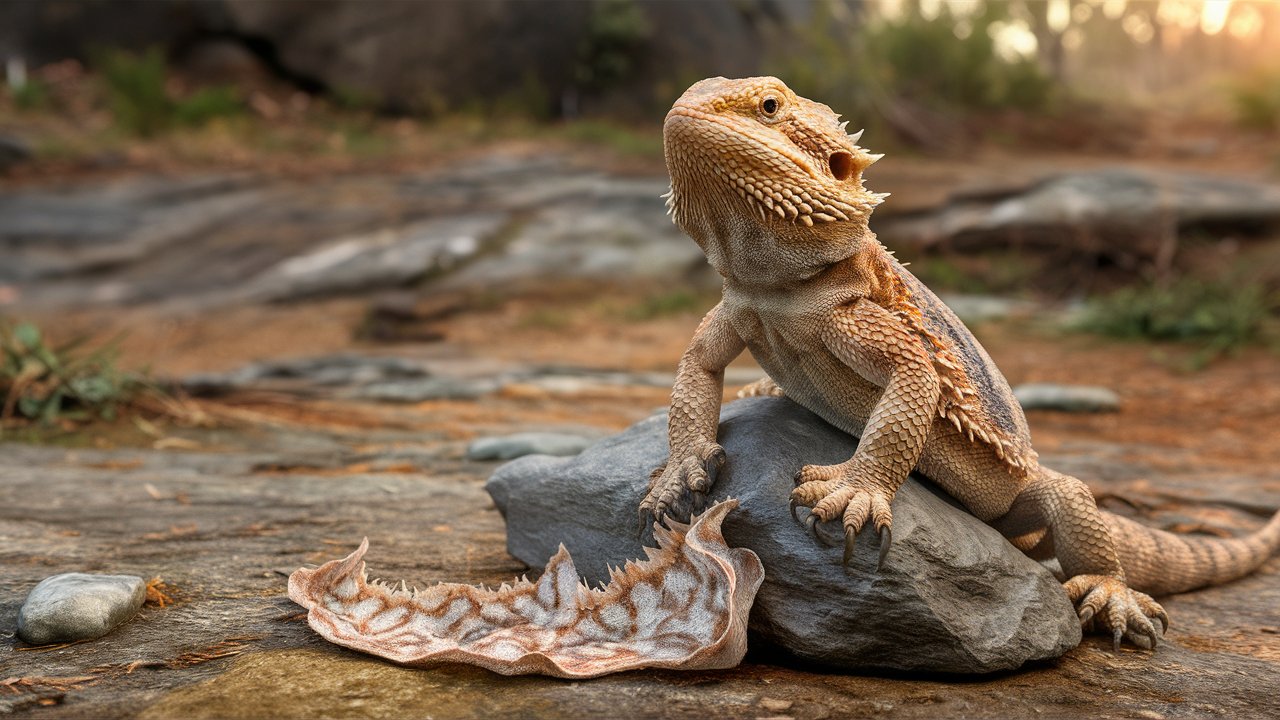
The Art of Shedding: A Guide to Bearded Dragons
Brief overview of bearded dragons’ shedding process
Bearded dragons possess distinctive features that make them a captivating species, one of which pertains to their shedding procedure. Shedding refers to the natural process wherein a bearded dragon removes its old skin to pave the way for new skin growth. This natural occurrence is critical as it enables the bearded dragon to mature and thrive appropriately.
The shedding process can take anywhere from a few days to a couple of weeks, depending on the age and size of the bearded dragon. During this process, the outer layer of skin becomes dry and begins to flake off in small pieces.
The bearded dragon may become irritable and uncomfortable during this time, as some areas may become itchy or sore. It is essential to understand how often your bearded dragon sheds in order to provide adequate care during this period.
Importance of knowing how often bearded dragons shed
Knowing how often bearded dragons shed is important for their overall health and well-being. Shedding is a natural process for bearded dragons, where they shed their old skin to grow new skin. If shedding does not occur regularly, it can lead to health problems such as skin infections, dehydration, or even death.
By monitoring the frequency of shedding, pet owners can ensure their bearded dragons are healthy and that their enclosure environment is ideal for shedding. This includes providing proper humidity levels and accessibility to materials that can aid the shedding process, such as a shedding box or a rough surface for the dragon to rub against.
Additionally, knowing how often bearded dragons shed can also help pet owners keep track of their growth and development. Shedding is a sign of growth, and if shedding occurs too frequently, it may indicate that the bearded dragon is not growing at a healthy rate.
Overall, understanding shedding patterns and providing proper care can ensure that bearded dragons stay healthy and happy.
Providing proper care and taking necessary precautions during this time can ensure a smooth transition for your beloved pet. In this article, we will delve further into understanding how often bearded dragons shed, identifying signs of shedding, caring for them during this time, common issues that arise during the shedding process, and more.
Why do Bearded dragons shed?
Bearded dragons shed their skin regularly to grow and renew their skin layers. Shedding frequency varies depending on factors such as age, size, and environmental conditions. Young bearded dragons tend to shed more frequently than adults due to their rapid growth rate.
Hatchlings can shed every few weeks, while adult bearded dragons may only shed once every few months. The size of a bearded dragon can also affect the frequency of shedding.
Generally, larger bearded dragons will shed less often than smaller ones because they grow at a slower rate. However, this is not always the case as some large bearded dragons may still have frequent sheds due to other factors such as diet and health.
Factors that Affect Shedding Frequency
Let’s chat about why bearded dragons shed their skin and what affects how often they do it. It’s actually pretty cool!
First off, young bearded dragons shed more often than adults. It’s like how kids outgrow their clothes faster than grown-ups. Baby beardies might shed every few weeks, while adults might only shed a couple times a year.
Diet plays a big role too. A healthy, balanced diet helps your beardie shed smoothly. It’s like how eating right helps our skin and hair look good.
The environment matters a lot. Proper humidity helps loosen old skin, making shedding easier. But too much humidity can cause problems, so it’s all about balance.
Lighting is super important. UVB light helps beardies make vitamin D, which is crucial for healthy skin. It’s like how sunlight helps us humans stay healthy.
Health issues can affect shedding too. If your beardie isn’t feeling great, it might have trouble shedding normally.
Lastly, stress can mess with shedding. Just like how we might get skin problems when we’re stressed, beardies can have shedding issues if they’re not feeling relaxed and happy.
Remember, every beardie is unique, so their shedding patterns might vary. The most important thing is to keep an eye on your scaly friend and make sure they’re comfortable and healthy. If you’re ever worried, it’s always best to chat with a vet who knows about reptiles.
Isn’t it fascinating how these little dragons take care of their skin? Nature is pretty amazing!